
I’m going to be honest. Until reading “Hidden Treasure in the Highlands” on page 52, I never understood the appeal of geocaching. You search for hidden boxes … and there’s no actual prize? What I also didn’t realize is that tens of thousands of people travel to new destinations just to track down elusive geocaches tucked into forests, under bridges, inside hollow logs—and, apparently, perched atop crumbling structures in the middle of rivers.
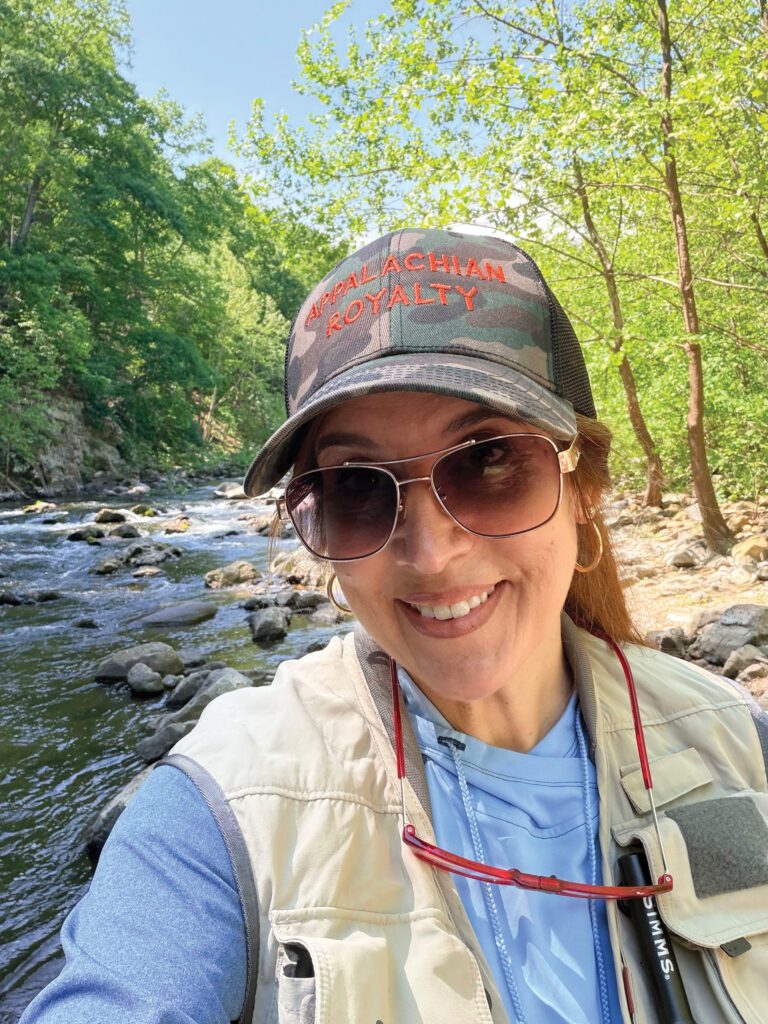
Which brings me to one of my less brilliant ideas. While working on this issue, I volunteered to photograph a geocache hidden in the Potomac River on an abandoned pylon near Bavarian Inn. I casually announced, “I’m staying at the Bavarian soon. How hard can it be? I’ll just rent a kayak and do it.”
Simple enough. Or so I thought.
Thankfully, I mentioned this plan over dinner to Mark Jordan and Mark Lewis, a former whitewater rafting guide, who looked at me like I had lost my mind.
“The river’s moving pretty fast,” Lewis said. “How exactly are you planning to tie off your kayak while climbing the pylon? And how are you getting to the top? I don’t think there’s a ladder.”
Good questions.
Then Jordan, executive director of the Martinsburg–Berkeley County Convention and Visitors Bureau—the county that is celebrated as the number one geocaching county in the world—showed me the Geocaching app. I downloaded it and pulled up the location in question: a decaying pillar rising out of the Potomac. The app said, “This is an extreme hide. Warning: Do NOT attempt this cache if you are not in excellent physical shape, if you cannot swim, or have a fear of heights. The possibility of serious injury or death DOES exist while searching for this cache!”
Needless to say, I did not rent the kayak.
Somewhere between my abandoned adventure plans and falling down the geocaching rabbit hole, I finally understood the appeal. It’s not really about the box. It’s about curiosity. The thrill of exploring somewhere new. And I love anything that gets people outside, paying attention to the world around them. I admit, now when I’m out on trails or in a river, I look at the app to see what caches are nearby.
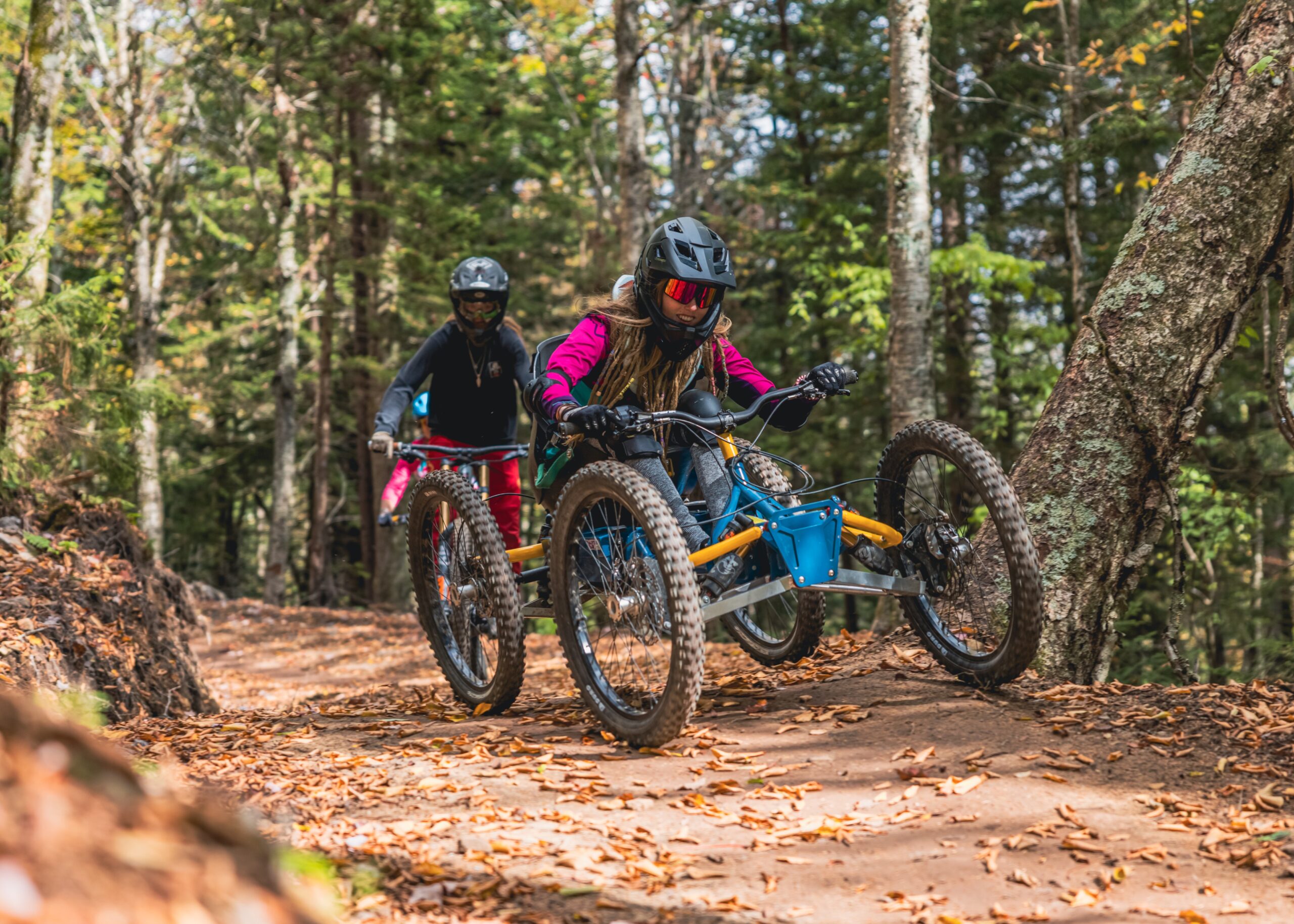
Another topic I found myself thinking about while working on this issue is accessibility—and the growing need for more ADA-friendly outdoor recreation experiences. Accessibility cannot be treated as an afterthought. It should be part of how we design experiences and welcome visitors. Accessible trails, adaptive recreation programs, sensory-friendly attractions, and ADA-conscious lodging don’t just open doors for people with disabilities. They create more welcoming communities and stronger destinations for all of us.
And before I forget—mark your calendars for our annual photography competition! This year, the contest is sponsored by The Nature Conservancy, and we’ve added a brand-new category: aerial photography. Read the details on page 14, then send us your very best work by August 15. You could win a cash prize and have your photo featured in the winter issue of Highland Outdoors.
Until then, I hope this issue inspires you to get outside, try something new, and maybe even chase a geocache or two.