


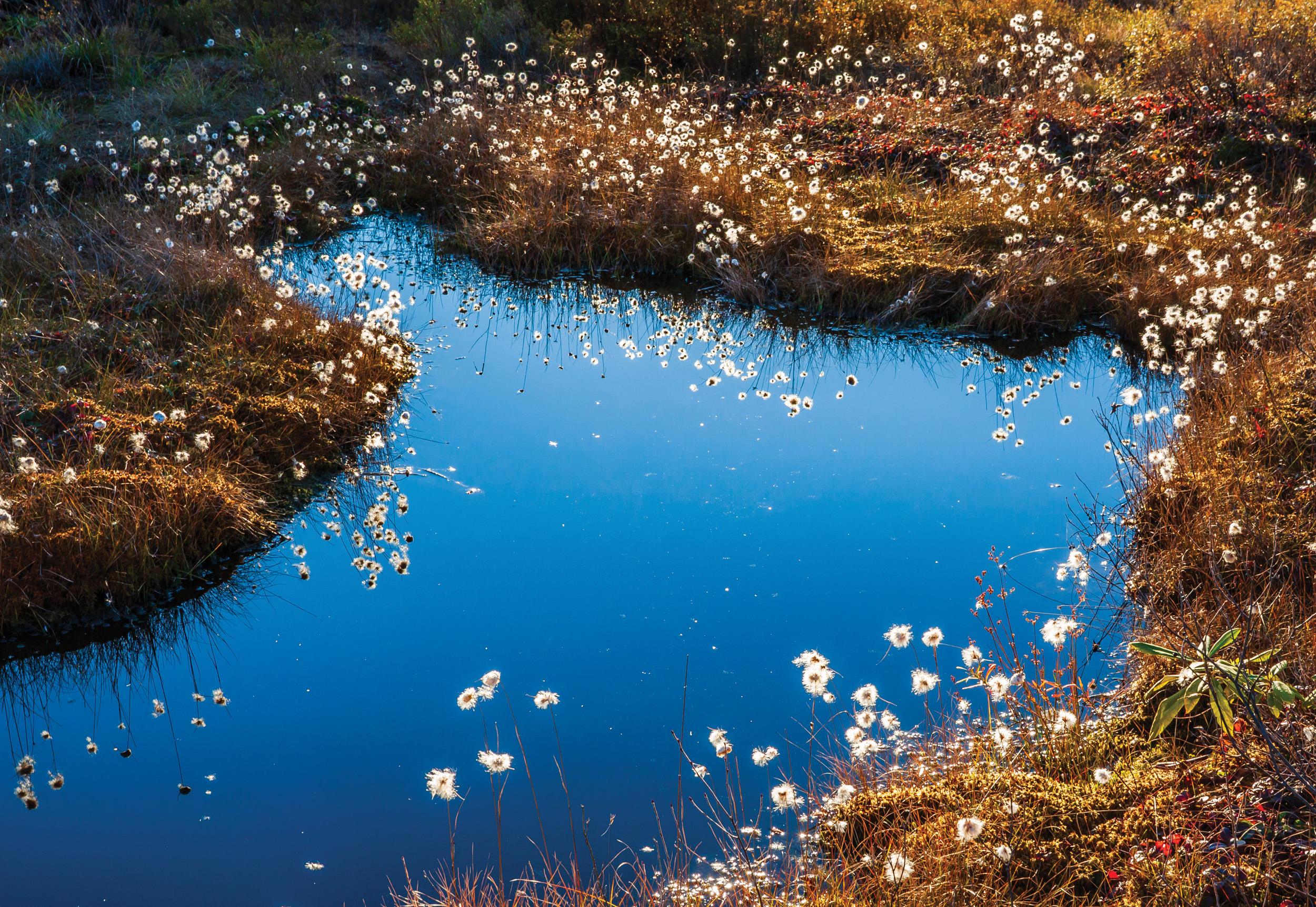
Mosquitoes and mud—does that sound like a wetland to you? Perhaps, but there’s far more to it. It’s the presence of water, either permanently or seasonally, that creates a wetland’s unique ecology. Each one is a world unto itself, and they come in myriad forms, including marshes, swamps, and bogs.
Wetlands are nature’s kidneys, filtering out pollutants and excess nutrients. They can act as flood and storm buffers and store large quantities of carbon. They’re important hatcheries for fish, and they offer sanctuary for birds. Wetlands are as vital as coral reefs and the rainforest, and yet wetlands across the Appalachian highlands are endangered due to factors like development and climate change. They occupy less than 0.5% of West Virginia land but support nearly 25% of the state’s species and 44% of rare plant species.
That means there’s no better place to see a slice of regional biodiversity. Consider three highlands wetlands—Cranberry Glades and Widmyer Wetland in West Virginia and Cranesville Swamp straddling the Maryland–West Virginia border—where partnerships with volunteers, land owners, governments, and nonprofits have buoyed the effectiveness of land stewardship.
Cranberry Glades: A Living Treasure
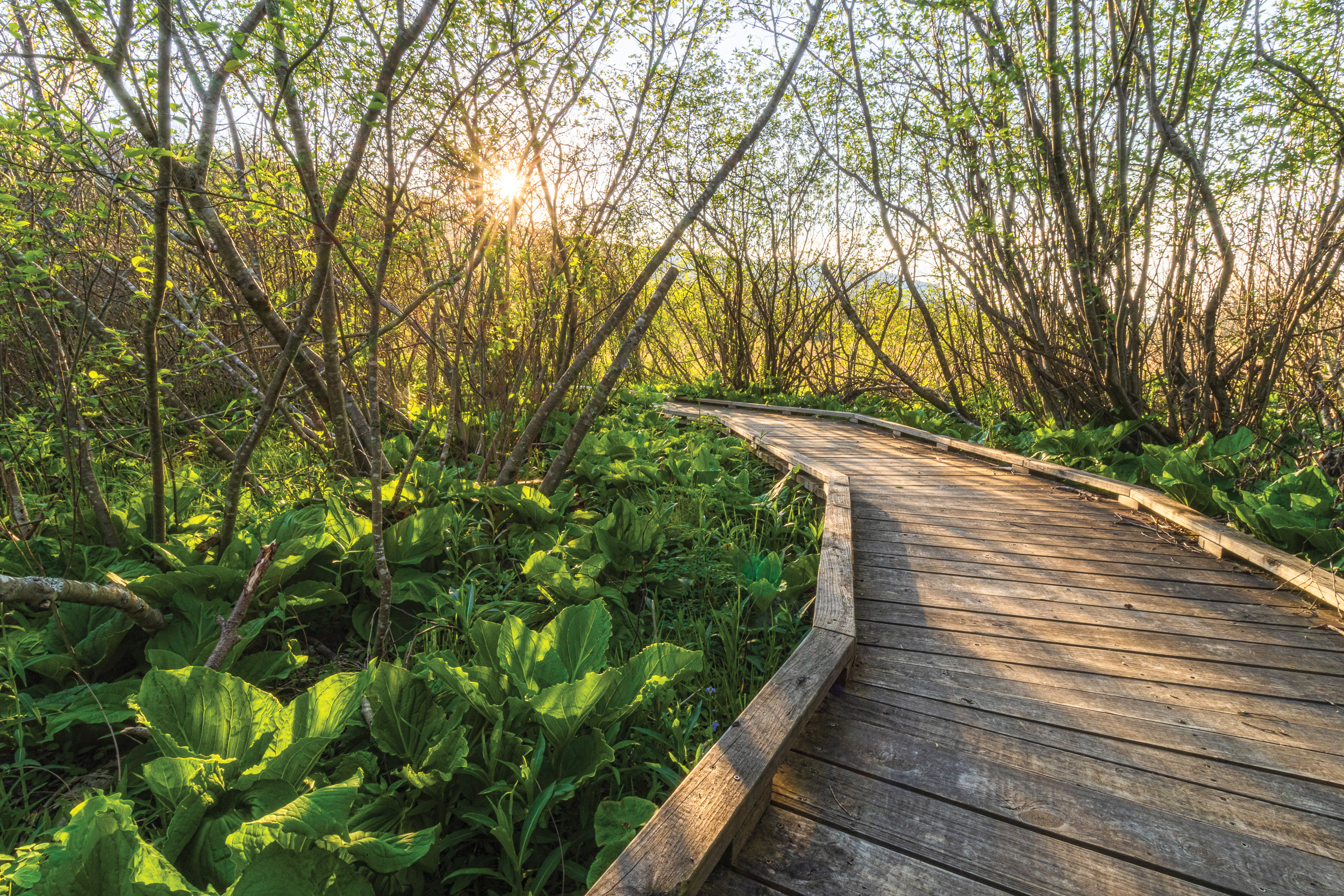
The mountains surrounding what would become the Cranberry Glades Botanical Area became part of the Monongahela National Forest in 1920. To safeguard this environmentally tender place, timber cutting was prohibited, road construction was redirected, and water levels were carefully maintained. In the 1930s, Civilian Conservation Corps crews built elevated boardwalks, which satisfied the human desire to experience natural beauty while protecting the fragile peat humus beneath.
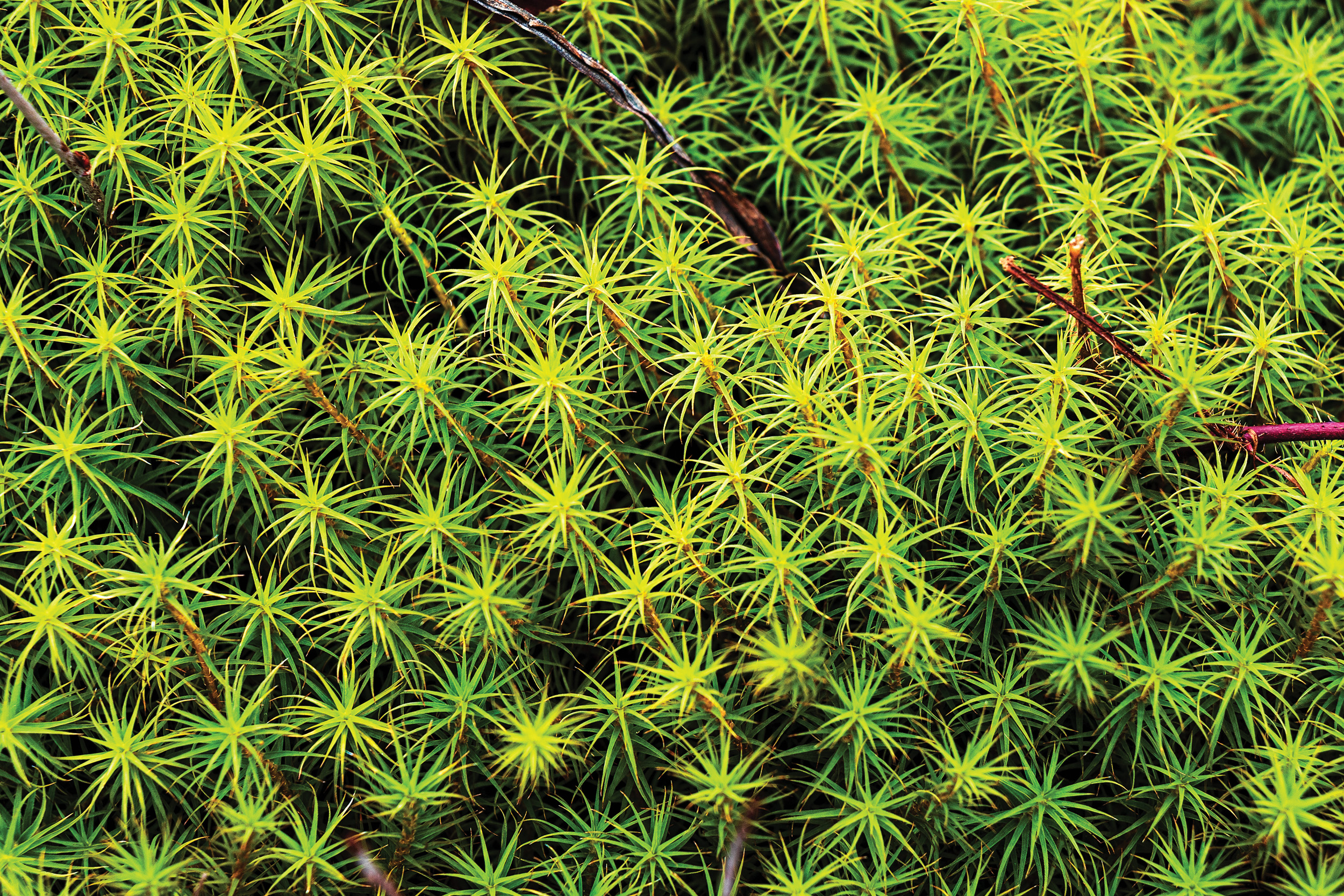
As scientists studied the Glades more closely, they documented rare plant species at the furthest southern ends of their ranges—these plant species are normally found in the boreal ecosystems of Canada and Alaska. That research contributed to the site’s 1974 designation as a National Natural Landmark. The Glades are also home to several native orchids, including rose patagonia, grass pink, and greater purple fringed orchids.
Photographed by Eric Brumbaugh
Rare carnivorous plants, like round-leafed sundew, act like glue traps, thanks to glandular tentacles on their leaves. These look like tiny hairs bejeweled in dew. Those “dewdrops” are actually sticky mucilage, ready to catch flies. The sundew secretes digestive enzymes that break prey down into nutrient-rich liquid for the plant to absorb. Festooned with magnificent ferns all summer, Cranberry Glades feels like a walk back in time—perhaps because it is: This Pocahontas County treasure formed during the last Ice Age. The sphagnum moss has been growing in this exact spot for over 10,000 years. It turns fiery red in fall. Winter holds delights, as well. Skunk cabbage are the first to push through frozen ground at the end of winter, generating heat to melt ice. Purple violets follow soon after. Then, buttery-yellow water marigolds gild the water.
While not all wetlands are exuberant with color, Cranberry Glades certainly is, and the boardwalk offers easy access for families with young children, visitors with mobility challenges, and those using wheelchairs. Such intentionality helps educate a larger array of people about nature’s alchemy.
Widmyer Wetland: The Second-Chance Secret
This small gem is tucked behind Widmyer Elementary school at the edge of Berkeley Springs, in Morgan County, West Virginia. Despite its beauty, Widmyer wetland is the result of an environmental loss. However, the story’s ending is not an unhappy one.
Wetlands mitigation means creating a new wetland when development has damaged or drained an existing one. After the school was constructed on the floodplain of Warm Springs Run, the Eastern Panhandle Conservation District and the Morgan County Board of Education joined forces in 2009 to create a new wetland in its place—Widmyer. The Warm Springs Watershed Association went a step further. With an eye toward public use and education, the watershed group enhanced the site with informative kiosks, walking paths, benches, a bridge, and boardwalks designed and built by local vocational arts students. Together, these partnerships turned the restored wetland into a welcoming space for learning, conservation, and community enjoyment. One of the more distinctive features is a metal sculpture of soaring swallowtails created by local artist Mark Schwenk.
Places like Widmyer are reminders that any bit of nature, no matter the size, has the ability to heal and transform. If you are passing by the area, take a quick stroll on the short walking trail and read the interpretive signage.
Photographed by Eric Brumbaugh
Cranesville Swamp: Home of the Frost Pocket
The air sings with red-winged blackbirds and yellow warblers. Spring peepers fill the night. Monarchs flitter as their caterpillars munch on milkweed leaves—the only food they eat. And somewhere, a tiny ant tumbles into a carnivorous pitcher plant, destined to drown in a digestive liquid.
Cranesville Swamp straddles the border between Preston County, West Virginia, and Garrett County, Maryland. This shared treasure exists because it was spared from destruction long enough to be protected—and it has been carefully managed ever since. It was the first parcel of land The Nature Conservancy protected in West Virginia. And this Allegheny Mountain wetland was certainly worth saving.
During the logging era that reshaped West Virginia and Maryland, much of the surrounding forest was cut heavily. Cranesville—a boreal peat bog—survived, though weakened by the devastation all around it, mainly because its soggy terrain made large-scale logging difficult. Its importance was formally recognized in 1965, when the National Park Service designated it among the earliest National Natural Landmarks.
Volunteers have replanted more than 35,000 red spruce and 3,000 white pines and stabilized damaged areas with erosion controls like water bars. Water quality monitoring ensures the health of the bog. As a result, wildlife including bobcats, black bears, beavers, and the southern water shrew have returned.
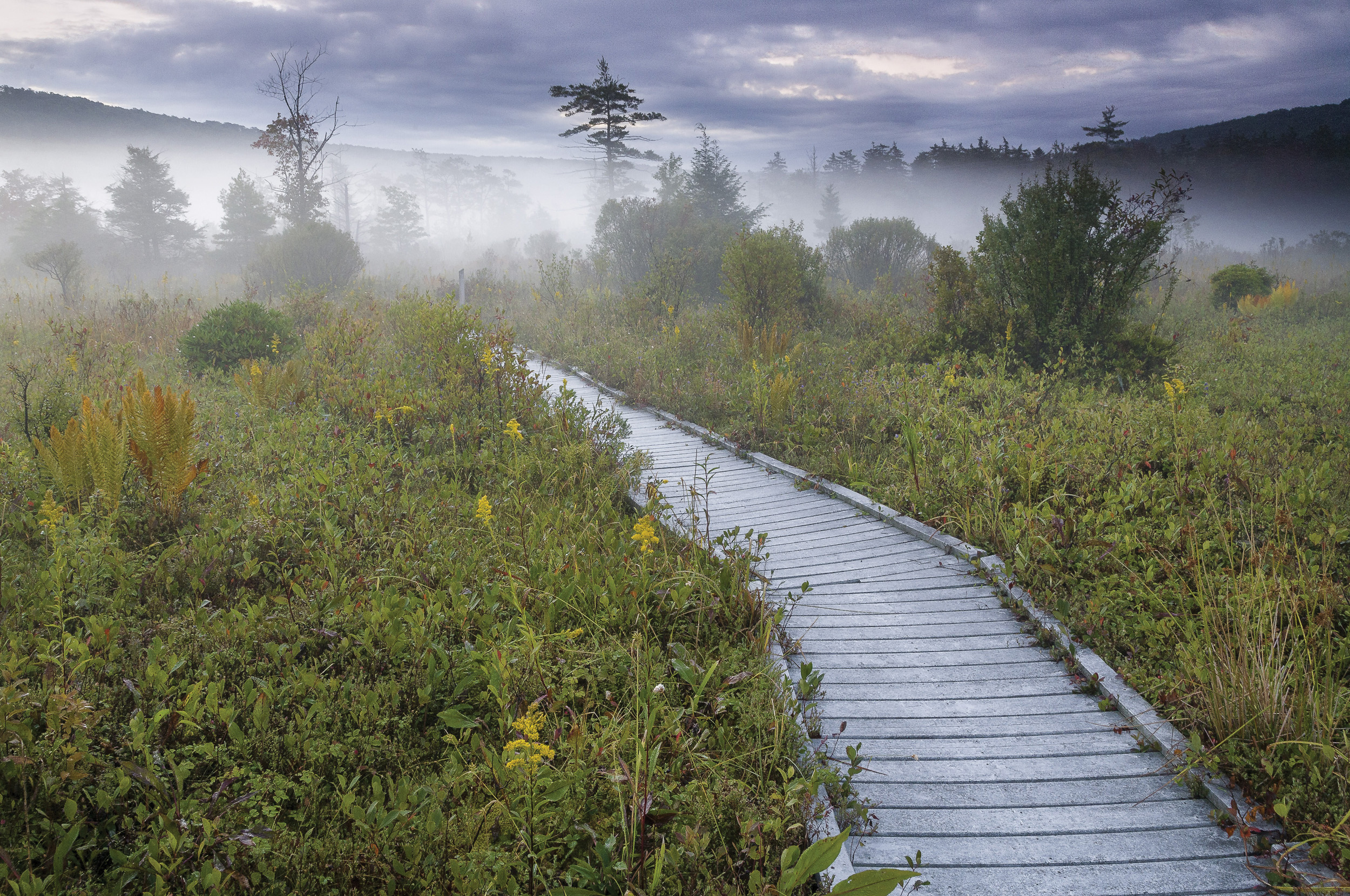
In addition to being natural filtration systems, wetlands offer unique sets of ecological conditions. Cold weather species flourish in Cranesville Swamp and Cranberry Glades. These delicate ecosystems are home to carnivorous pitcher plants and sundews. Photographed by Kent Mason
Ecologically, Cranesville Swamp is defined by a rare frost pocket, a phenomenon that occurs in only a handful of places in the state. Cold air becomes trapped in a basin, which keeps the ground wet and slows evaporation. The bog’s unusually chilly temperatures support flora and fauna that might be considered common in Canada but are rare as far south as West Virginia. The red spruce that ring the bog shelter animals such as the northern saw-whet owl—the smallest owl in the Eastern United States. This is the southernmost-known part of its range.
Spring and fall are good times to visit, when the area is most active and the conditions are easiest to experience. Visitors can take a self-guided audio tour along several short trails and explore a 1,500-foot raised boardwalk the conservancy has built to protect the peat.
All wetlands are delicate ecosystems—ancient Cranberry Glades and Cranesville Swamp, but even Widmyer, a recently restored wetland in a natural floodplain. Stick to the trails and boardwalks when you visit. And whether you’re high on a mountain, tucked behind a school playground, or low in a cool basin, stay a while and watch these quiet worlds trickle beneath your feet.
Feed Me
What’s the difference between these two bog-dwelling carnivorous plants?
Photographed by Bob Stough Photography
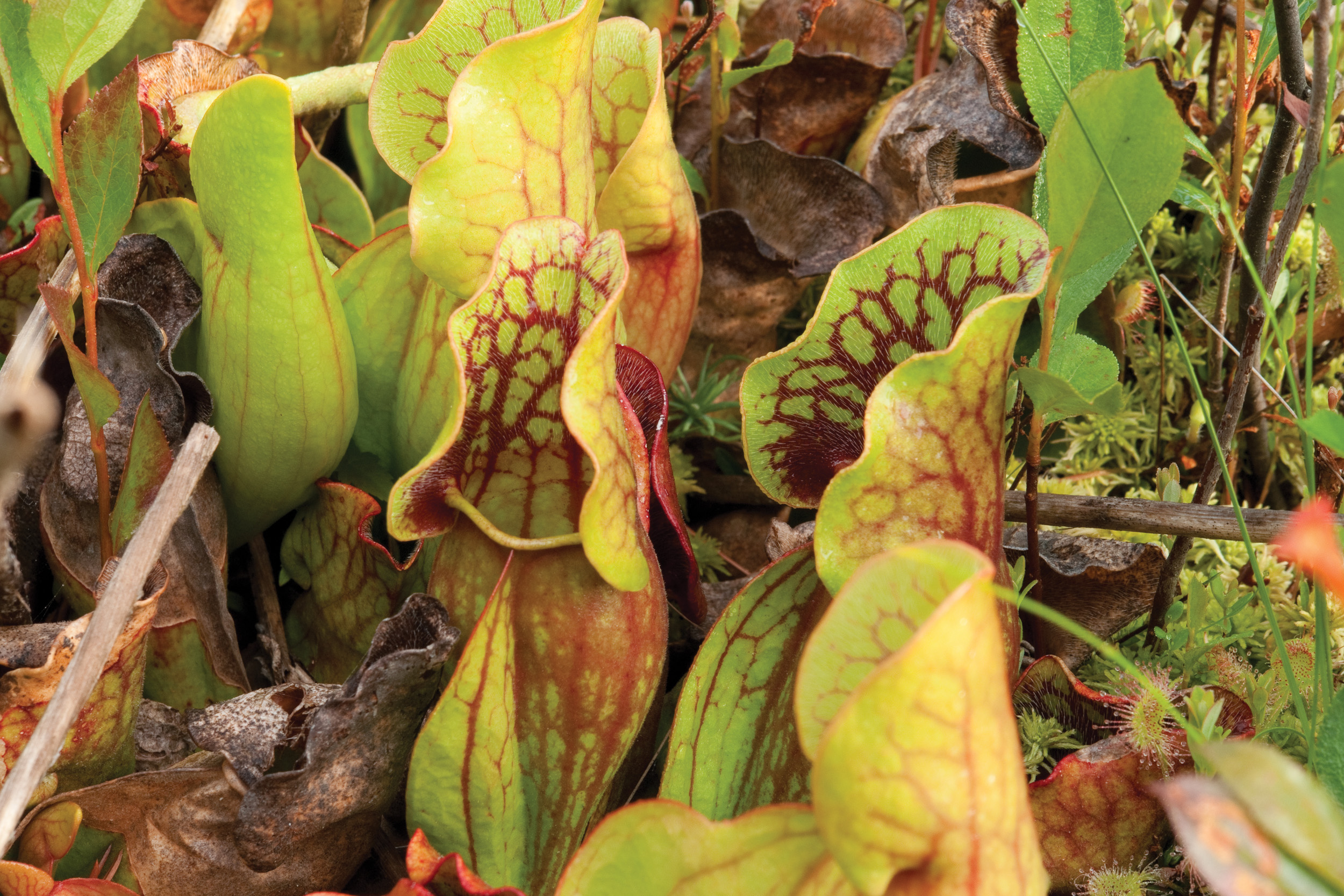
They say “grow where you’re planted,” and if you’re a pitcher plant or sundew, your home address is a peat bog like Cranberry Glades or Cranesville Swamp. But as rich with life as these boreal wonders are, there’s not a lot of nutrition in a bog. So what’s a hungry plant to do? Adapt. These unique flora are carnivorous plants, and they’ve learned to love insects, just as the Venus fly trap has. However, the purple pitcher plant and sundew have evolved different strategies for accomplishing the same dirty—but necessary—deed.
Pitcher plants are passive eaters—they’re simply a brightly-colored bucket full of rainwater. Bogs are full of insects (remember that when you visit) and, when one wanders into the pitcher plant’s gullet, slick with downward-facing hairs, they drown and are digested. Sundews, on the other hand, ensnare their victims with a sweet scent and sticky, glandular hairs that slowly pull the prey in. The more a bug struggles, the more stuck it becomes. When the sundew senses movement, the surrounding tentacles close around the insect while the plant releases an enzyme to dissolve the bug’s soft tissues.
Life’s pretty rough in the bog, eh?