
Richwood is Worth the Trip

Richwood is Worth the Trip

Richwood, West Virginia, is no secret—it’s simply a journey to get there. The trip to Nicholas County is worth it, though, because you’ll find good eats, classy drinks, and a walkable atmosphere. Don’t let its size fool you. This is one cool little town.

Richwood’s vibrancy has ebbed and flowed, but as new and fresh businesses open their doors, people are making it a home—choosing the beauty of nature, the affordability of the area, and the strength of community. Consider Rosewood Coffee and Florist, brewing locally roasted beans, blending smoothies, and offering baked goods. Owners Christy Lackey Rose and Jeromy Rose also create beautiful flower arrangements and sell gifts, art, and antiques. 

Photographed by Michelle Rose Studio

Oddfellers’ Fine Foods, owned by Eric Sebert, is a self-described “small and scrappy restaurant.” The fare—which runs the gamut from chicken pad thai and crab cakes to fresh pasta, breakfast bowls, and flat iron steak—is the best surprise. Nearby Bloomfield Richwood Art Gallery might easily be in Tribeca—a hip, artsy area of New York City—but its Main Street location brings a modern flair to Nicholas County. Owner Cecil Ybanez established the gallery in 2021 to highlight contemporary Appalachian art. New shows open every seven weeks.

Get out there

Richwood sits on the edge of the Cranberry Wilderness, a nearly 58,000-acre section of the Monongahela National Forest. This rugged area is popular with backpackers, but day hikers and road trippers will enjoy a boardwalk through Cranberry Glades Botanical Area, a unique boreal bog ecosystem in Pocahontas County. 

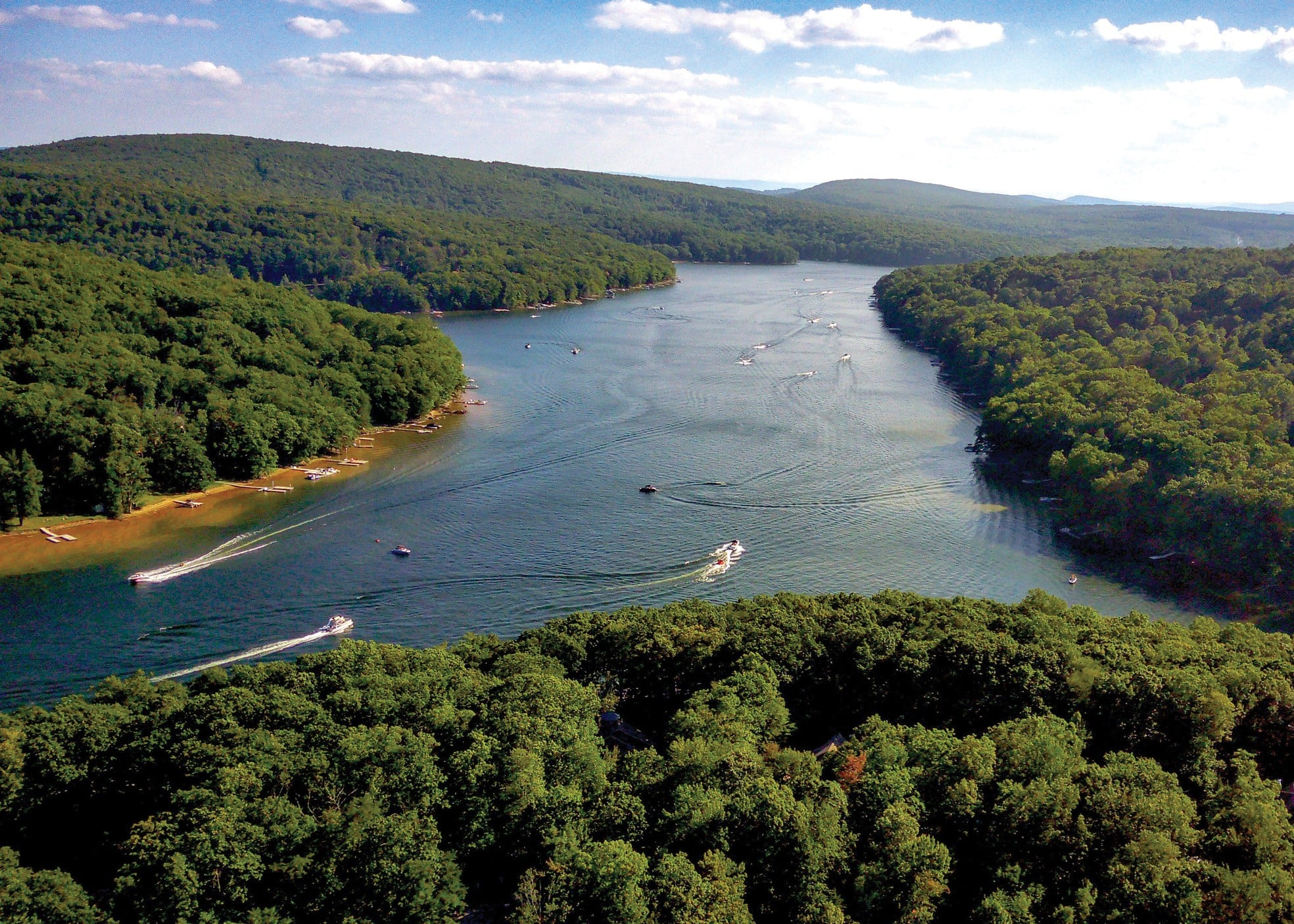
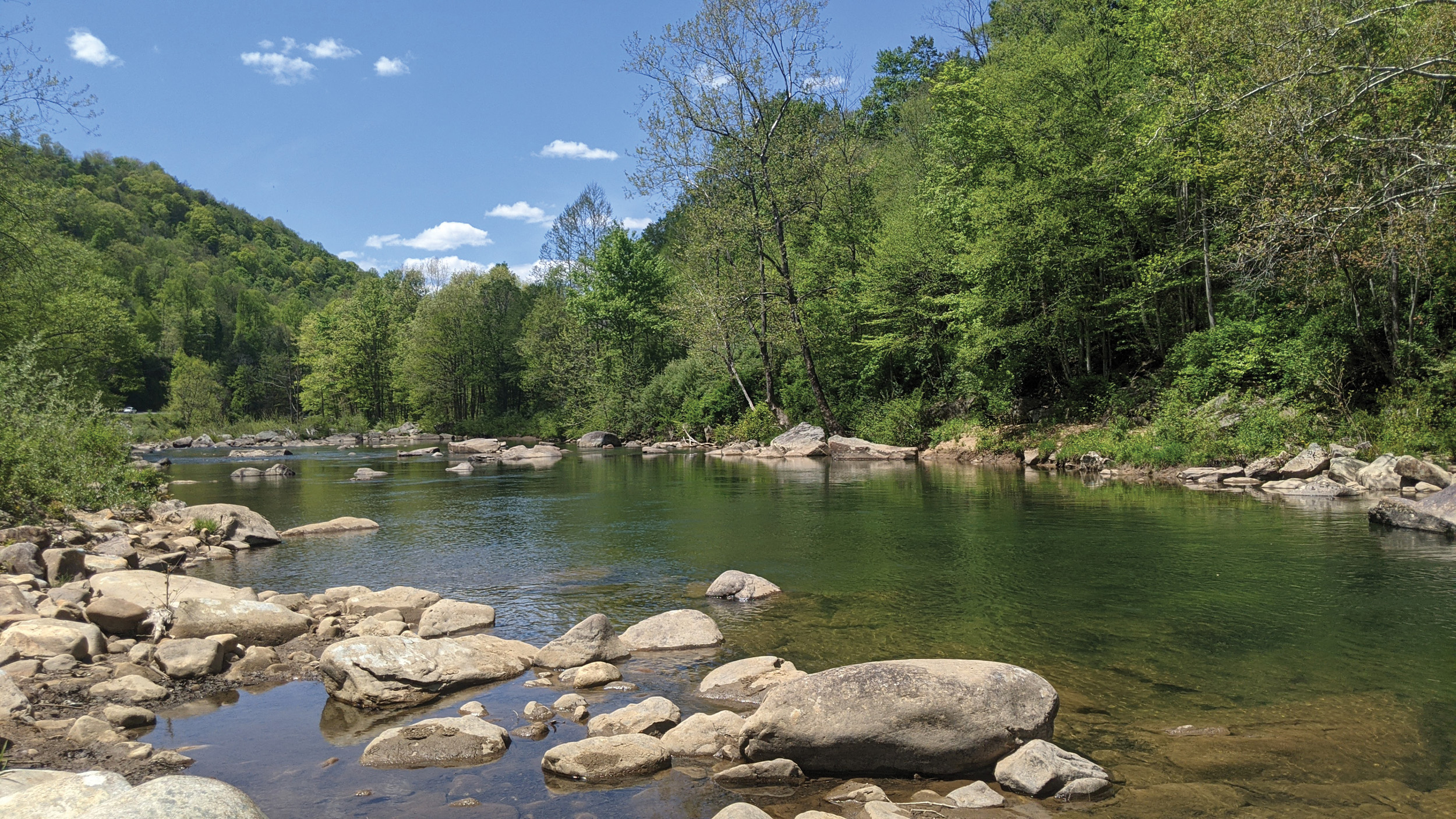
Fishermen have miles of streams to wade. The forks of the beautiful Cherry River come together in town, while the nearby Cranberry and Williams rivers are known as two of the finest trout streams in the state—gear up for rainbow, golden, brown, and brook trout as well as bass. Flatwater fishermen can head up to Summit Lake with a kayak or rowboat.

If you’d rather pedal than paddle, the Mon forest is criss-crossed by an array of mountain biking trails for all skill levels. And the Monongahela Outdoor Volunteers are a great resource for bikers looking for trails near Richwood.

Richwood offers access to some of the finest trout streams in West Virginia, including the Cranberry River and the Williams River. Fishermen will find rainbow, golden, brown, and brook trout. Photographed by Nikki Bowman Mills

Rich with tradition

Richwood celebrates The Feast of the Ramson annually. The “grandaddy of ramp feeds” honors and serves this green allium—a wild leek that’s

Photographed by Carla Witt Ford

become a delicacy. Ramps are known and respected for their pungency. While eating them raw earns bragging rights—and the “winner” a solo table—the ramp’s intensity melts into richness when cooked, often in bacon grease with beans and fried potatoes.

Jim Comstock, beloved newspaperman and founder of The West Virginia Hillbilly, a satirical celebration of Appalachian culture and history, declared the ramp “an onion that hasn’t been civilized or had the fear of the Lord driven into it.” Comstock once received a tongue-lashing from the postmaster general when he mixed ramp juice into the ink for the Richwood News Leader, thereby befouling all the news that was fit to print. 

The feast is sacred. Richwood photographer Michelle Rose recalls, “I remember being in grade school, and the older boys were allowed to get out of school, hop in the back of pickup trucks, and head to the woods to dig them for the event.”

Richwood will celebrate the 87th Feast of the Ramson on April 18 at the Richwood Academic Center 10 a.m.–3 p.m. or until the food runs out. 

Ramps in trouble

In many states, ramp populations have been decimated by irresponsible and unsustainable foraging. Surveys reveal an alarming decline. Plants can take seven years to reach reproductive maturity, and ramps are protected in many states. In 2021, the National Park Service disallowed ramp harvesting in West Virginia’s New River Gorge National Park and Preserve. 

To hunt sustainably, use scissors to cut only one leaf and leave the bulbs and roots. If harvesting bulbs, leave the roots behind. And never take more than 5–10% of a patch. Check regulations and harvest sustainably—or just let ’em grow for future generations!